
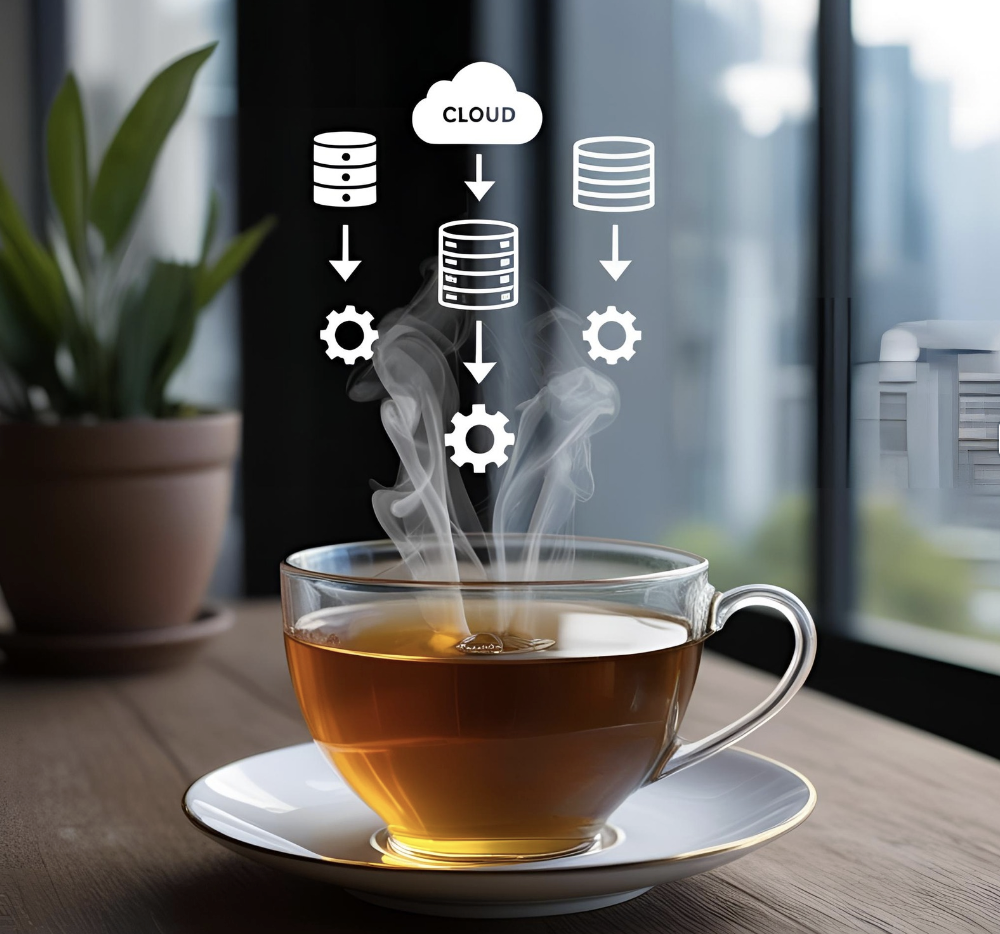
Engineering Stories, Like You've Never Heard It Before
From scaling airline systems to powering grocery apps — every system has a story.
At TEA (The Engineering Author), we turn system design, architecture, and product logic into simple, memorable tales — brewed with curiosity, layered with clarity.
Latest Engineering Insights
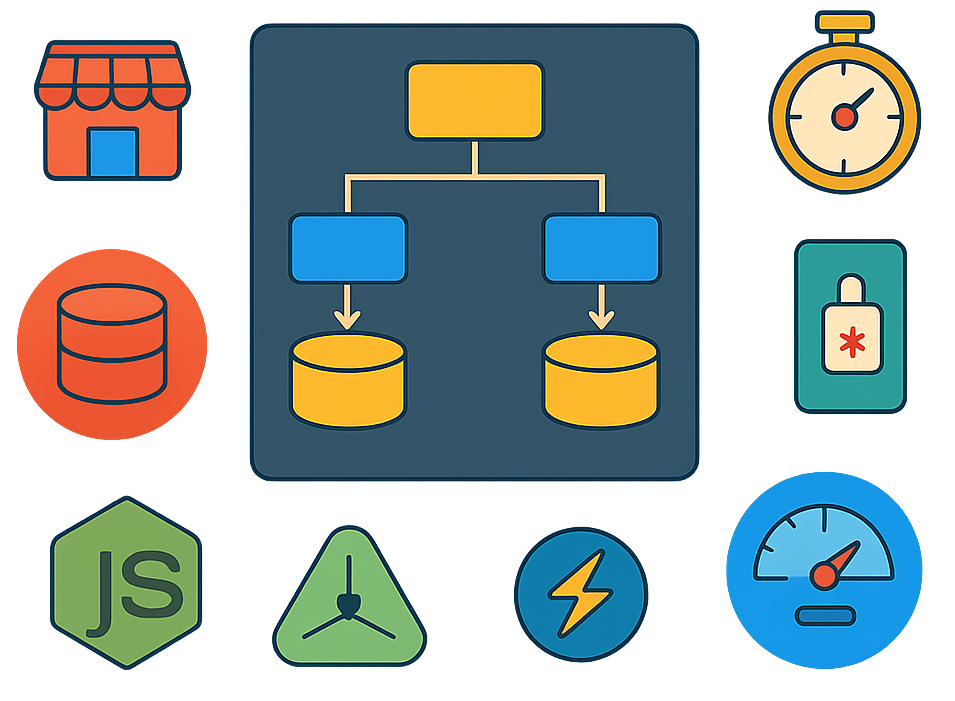
From foundational principles to real-world platforms — learn how systems are built, scaled, and designed for impact.
Stay updated with posts on everything from system architecture to real-world product decisions and engineering mental models.
System Design Fundamentals
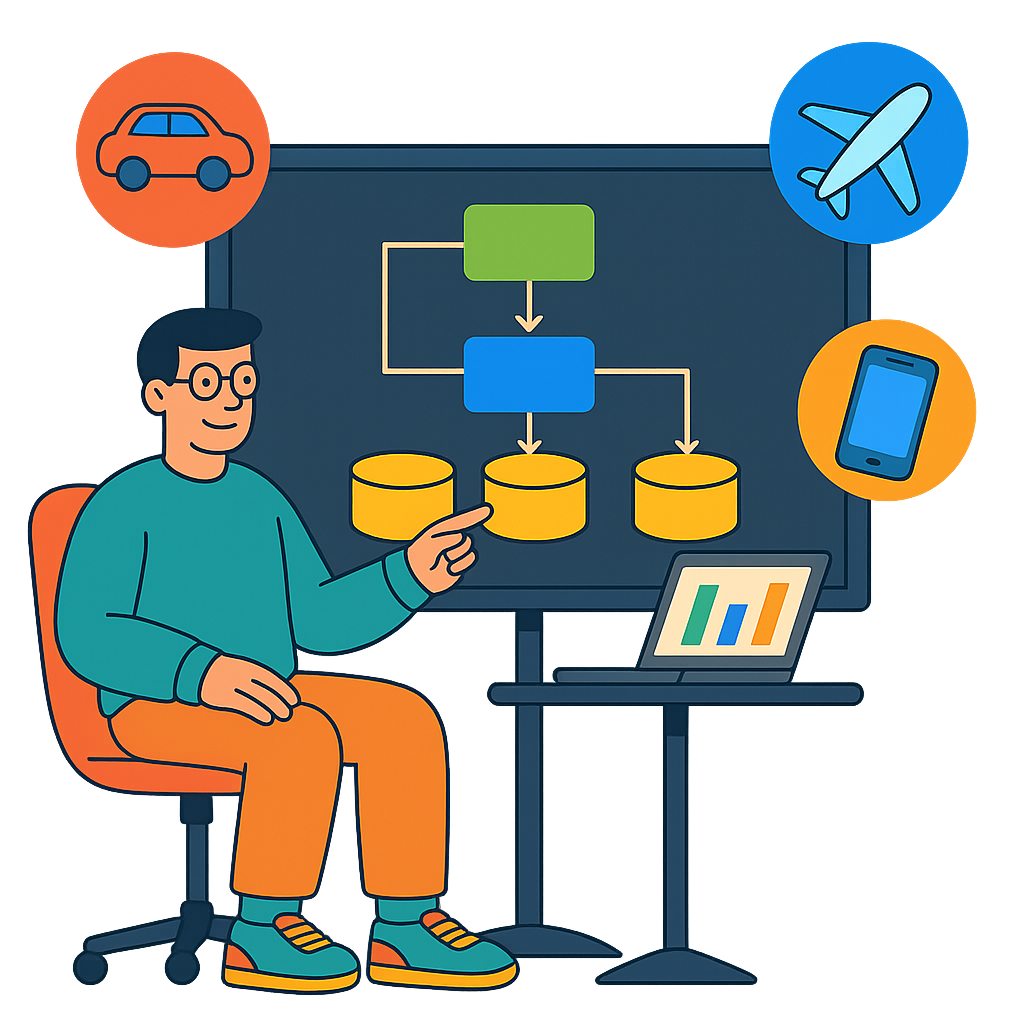
Core building blocks, architectural principles, and foundational patterns behind modern systems.
Engineering Stories & Case Studies
Engineering how real-world digital products are built — end-to-end system reasoning from user experience to backend.
Featured Engineering Stories




The Author
Shashank Anand is an engineering leader with a passion for making complex systems easy to understand. With extensive experience at the intersection of architecture, scalability, and product strategy, he has led teams in building technology solutions that address real-world challenges.
Through The Engineering Author, Shashank breaks down engineering principles, system design basics, and product thinking into clear, engaging stories. He explains not just how modern systems work — but why they’re built that way, helping engineers and curious minds learn and grow.
In modern cloud architectures, building resilient systems goes beyond application-level retries and logging. Resource-level failures — like an EMR cluster terminating unexpectedly — can silently disrupt pipelines if left unmonitored. Leveraging AWS CloudTrail, EventBridge, and lifecycle events, our approach captures critical infrastructure signals, tags resources with meaningful attributes, and triggers automated workflows for alerts, metadata updates, and recovery. This event-driven design transforms transient failures into actionable insights, enabling robust, self-healing systems and bridging the gaps traditional monitoring often misses.